Aerospace engineers first. Hardware builders second.
We are not hobbyists building drones on weekends. We are a team grounded in rigorous academic research, applying it to the practical problem of getting unconventional aircraft off the ground.
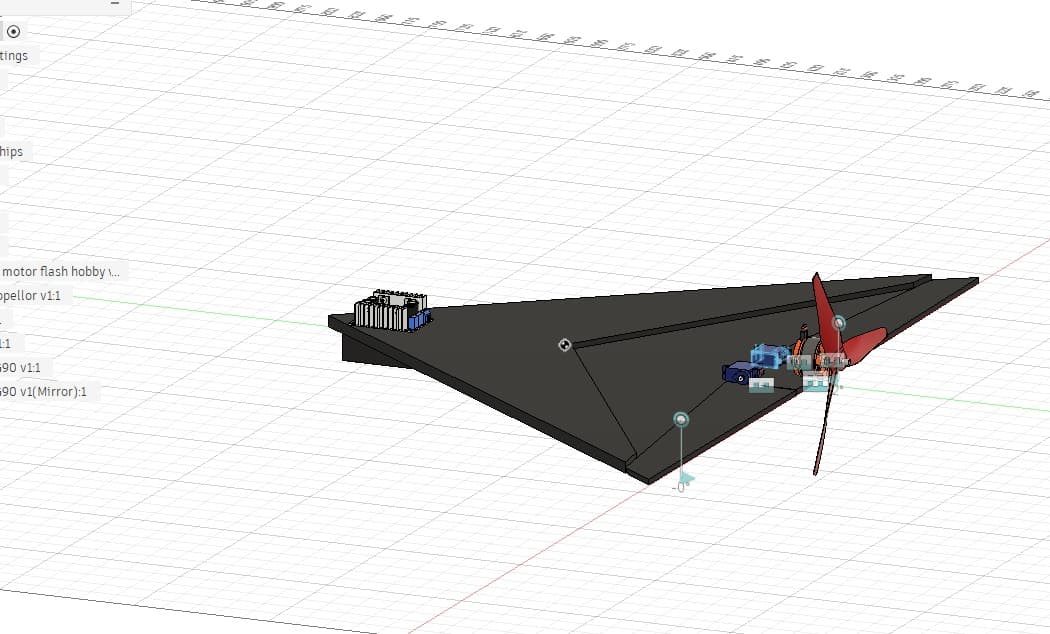
Born from a university aerodynamic laboratory, not a garage.
At Tensorflux, we are not just hobbyists; we are aerospace engineers backed by rigorous academic research. We specialize in solving low Reynolds number flow separation and transitioning complex theoretical physics into viable unmanned aerial vehicles.
That distinction matters. Low-Reynolds-number aerodynamics — the regime most small UAVs actually fly in — behaves very differently from the high-speed flows most aerospace curricula focus on. It's a narrower, harder problem, and it's the one we spend our time on.
University Lab
Origin of our research
In-House R&D
Simulation through to flight
Deep computational insight, matched by rapid physical iteration.
We partner with hardware startups and engineering firms who need both halves of that equation — the simulation and the flight test — from one team.
Start from the physics.
Every airframe decision traces back to a computational question — how does the flow separate, where does it reattach, what does the wake cost us in drag.
Validate before you build.
URANS simulations, mesh-independence studies, and validation against published data tell us what will work before a single sheet of foam board is cut.
Iterate in the physical world.
Rapid, low-cost airframes let us close the loop fast — fly it, measure it, feed the result back into the next simulation.
Curious what your project's flow field looks like?
We partner early — before the airframe is final — so simulation results actually shape the build.